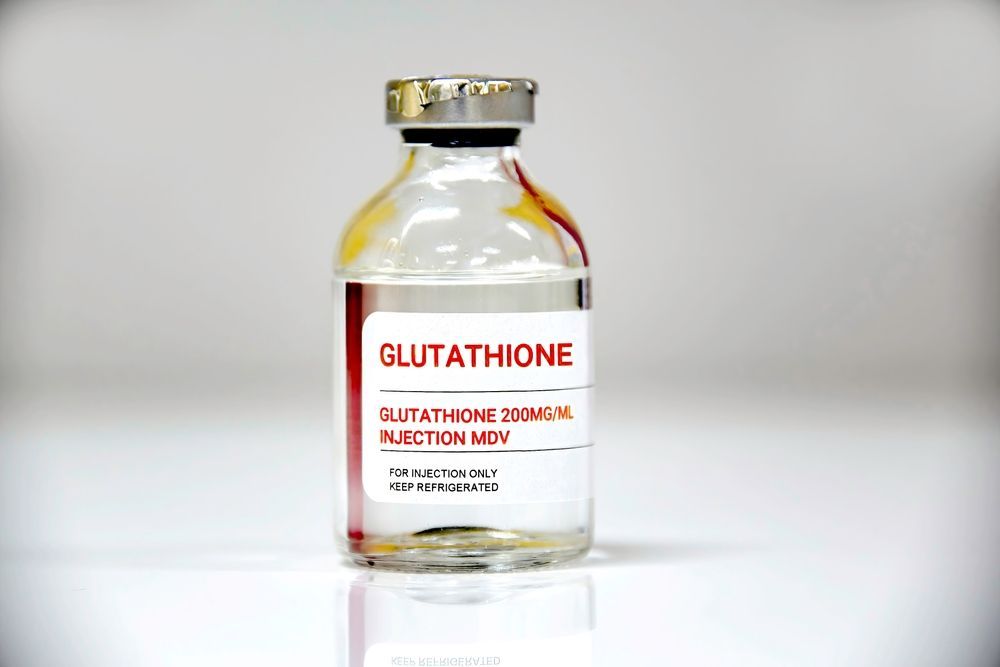
glutathione injection melanin Injections: Science Behind Radiant, Even Skin Tone 노화
Are Peptides Legal in the UK? 2026 MHRA Rules & What to Know
According to the World Health Organization (WHO), more than 2.5 billion adults worldwide are overweight, and nearly 900 million meet the criteria for obesity.1 These conditions substantially increase the risk of cardiometabolic disease, nonalcoholic fatty liver disease, sleep-disordered breathing, and certain malignancies, and are associated with diminished life expectancy.2 Beyond their clinical consequences, obesity and overweight impose a substantial societal burden, with far-reaching psychological, social, and economic costs.3 Despite the central role of lifestyle modification, long-term adherence to dietary and behavioral interventions is difficult, and durable, clinically meaningful weight loss is uncommon.4 As a result, pharmacologic therapy has become a critical component of comprehensive obesity management.5 Among the available agents, glucagon-like peptide-1 receptor agonists (GLP-1 RAs) have redefined therapeutic expectations.6 Semaglutide, a long-acting GLP-1 RA, has consistently produced weight loss of unprecedented magnitude in randomized controlled trials (RCTs).7 In the STEP program, once-weekly subcutaneous Semaglutide (2.4 mg) resulted in weight reductions approaching those typically seen after bariatric surgery, alongside broad improvements in cardiometabolic risk factors.8 The drug’s safety profile is generally acceptable, though gastrointestinal adverse events, particularly nausea, vomiting, and diarrhea, are frequent.9 The striking efficacy of Semaglutide has intensified efforts to develop novel peptide-based therapies that target complementary pathways involved in appetite and energy balance
노화
Size:1000 mcg/ml - 30 ml x 5
Nejde o dvě samostatná pera ani o dvě komory